FAST
FACTS
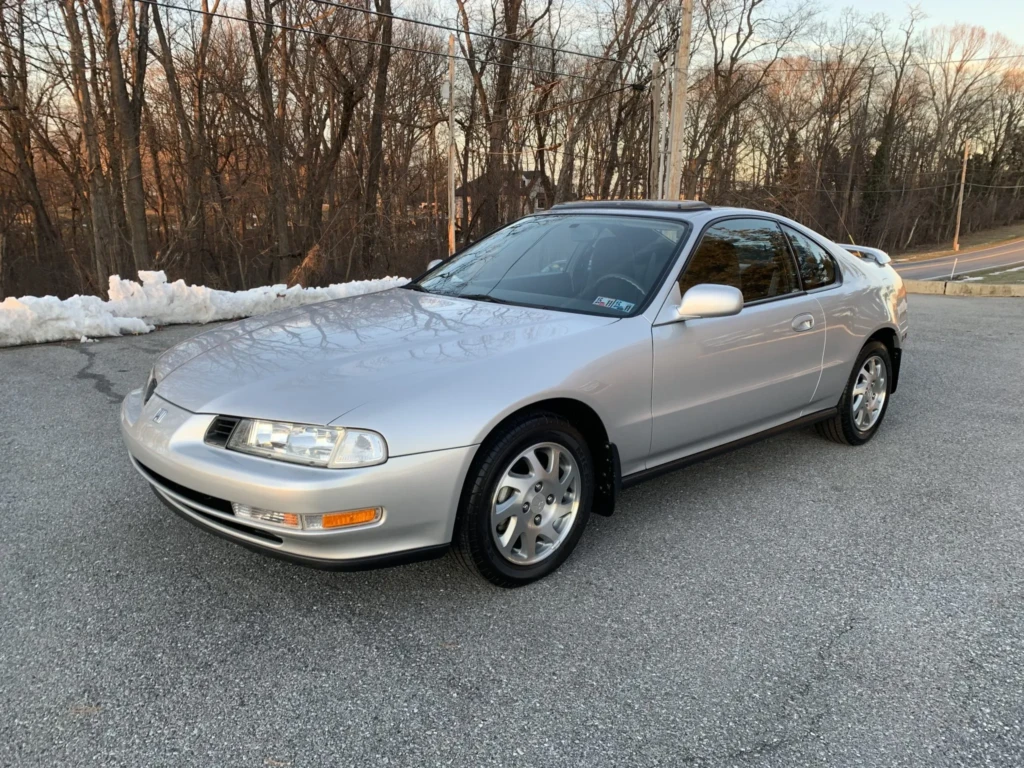
- The 4th gen VTEC Prelude was the most powerful Honda you could buy in the U.S. in the ’90s, producing nearly the same power as the Acura Integra Type R. Only the Type II Acura Legend and NSX had more powerful ratings
- At $26k+, it was also the most expensive Honda you could by, costing nearly 30% more than an Integra GS-R
- The 4th gen Prelude (1992-1996) was available as either an Si (DOHC H23 non-VTEC), a base “S” (F22 SOHC), or the top of the line VTEC model (DOHC H22A1 engine)
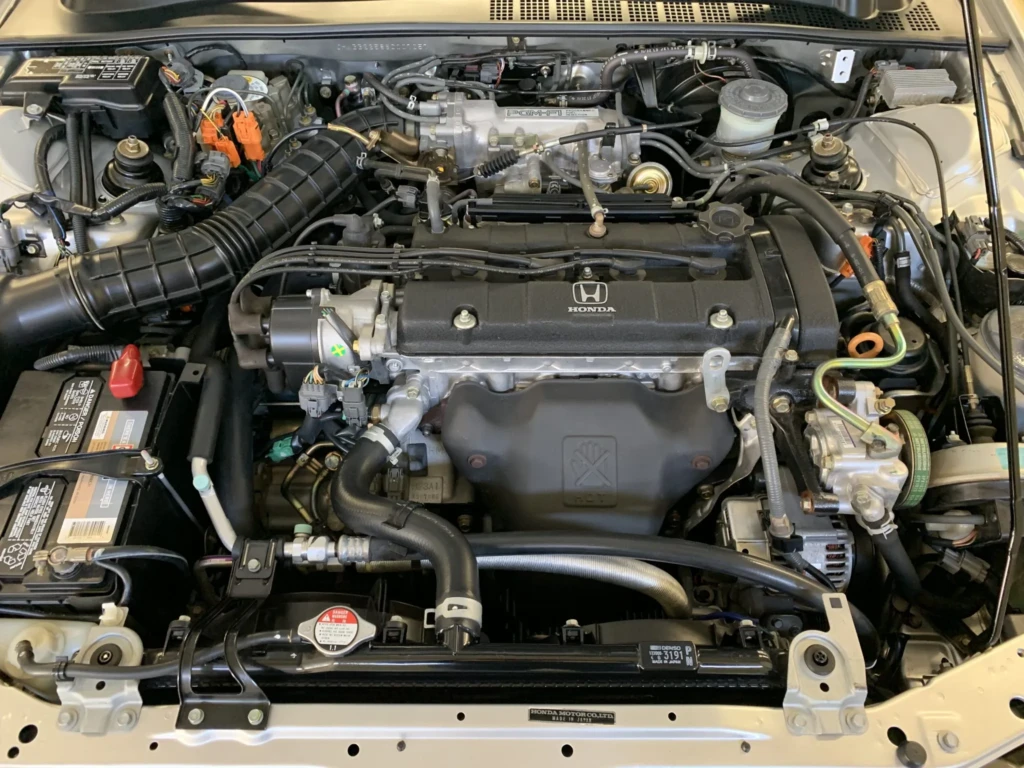
- The H22 is an all-aluminum engine that employs a forged steel crank and forged steel rods. VTEC engagement occurs at 5800 RPM
- The H series Honda engines differentiate themselves from the B series mainly by its larger displacement, increased weight (80lbs more than the B series), and cylinder wall material (plus a few other minor things). The H series uses a cylinder wall liner made of FRM (Fiber Reinforced Metal, which is also used in the 3.2L NSX). Most cylinder walls are made of iron, but Honda decided to use FRM as it provides less friction and has much better heat transfer qualities than iron, resulting in a more efficient cooling system. FRM liners are smooth, with no “cross-hatch” to assist with oil retention
- Unfortunately, this means FRM wears down quickly, allowing oil to leak past the piston rings prematurely. FRM cylinder liners are not as strong as iron liners (but perfectly adequate for Honda’s intentions). Furthermore, if you want to bore out your FRM cylinder, it requires special stones, and it can only be bored out .02″ max. On top of all that, most aftermarket pistons are not compatible with FRM cylinder walls. You begin to see why the B-series overshadow the H-series engines, despite the H22 being a fantastic engine
- The steering is one of the Prelude’s biggest highlights. Period road test magazines claim the Prelude had “Formula 1–like steering”. When road tested again in 2019 by Car and Driver (as a throwback), they said “the Prelude’s steering is so precise and its feedback so organic that it should be used as a reference for steering engineers all over the world.”
Key Model Year Changes:
Specs:
1993 |
1994 |
1995 |
1996 |
Specs:
2.2L DOHC VTEC | 5spd manual |
190 hp @ 6600 RPM | 158 lb/ft torque @ 5250 RPM |
0-60 MPH: 6.9 seconds | Top Speed: 140 MPH |
Base Price in 1996: | $25,880 |

– Click for shipping quote –



- COMMENTS -